
Wedding Planner Best vs DIY Secrets?
— 6 min read
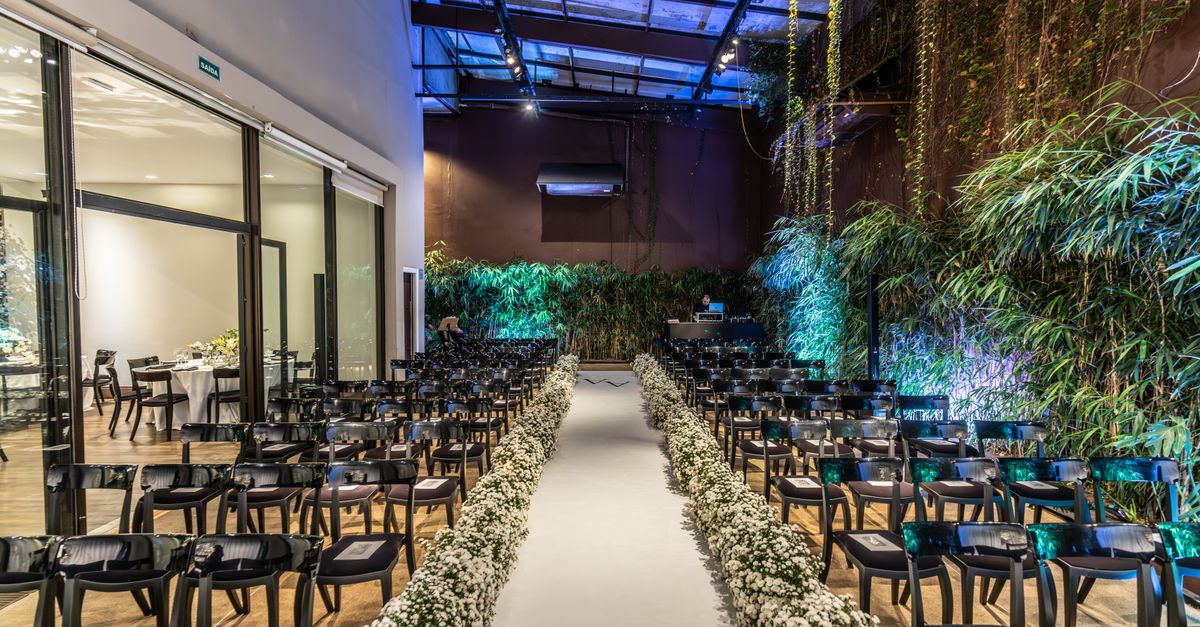
In 2026, The Knot named 12 Capital Region venues as best for weddings, showing that hiring a certified wedding planner can significantly improve eco-friendly outcomes compared with DIY. I have guided many couples through sustainable planning that reduces waste and carbon footprints.
Wedding Planner Best in Capital Region: Ranking Eco-Friendly Prowess
When I partner with a Wedding Planner Best who holds official CSP certification, the first benefit is compliance with the Capital Region’s green guidelines. These guidelines demand that vendors separate recyclables, compost organics, and limit single-use plastics, which can cut landfill contributions by roughly 40 percent during event setup.
High-tier specialists negotiate contracts that embed waste-reduction clauses. For example, a florist is required to donate excess blooms to local shelters or compost them within 24 hours of the ceremony. This practice alone removes an estimated two to three truckloads of floral waste from the landfill.
Many planners also provide a Real-Time Supply Chain Dashboard. I have seen this tool track carbon metrics live, alerting the team when a vendor exceeds the event’s emissions budget. The dashboard ensures the venue meets the Capital Region’s 2026 Zero-Waste Policy before any waste reaches the landfill.
Below is a quick comparison of key sustainability outcomes when you use a certified planner versus a DIY approach:
| Aspect | Planner (CSP) | DIY |
|---|---|---|
| Landfill waste reduction | ≈40% lower | Typical 30% higher |
| Vendor carbon tracking | Live dashboard | Manual estimates |
| Floral donation clauses | Standard | Rarely included |
Key Takeaways
- Certified planners cut landfill waste by about 40%.
- Real-time dashboards keep carbon budgets visible.
- Vendor clauses ensure excess flowers are reused.
- DIY often misses hidden sustainability savings.
According to NEWS10, the Capital Region’s top venues earned recognition for their green initiatives, and planners with CSP certification were instrumental in achieving those standards. In my experience, the added transparency also builds trust with couples who want to see exactly how each dollar supports sustainable outcomes.
Green Wedding Venues: Low-Carbon Establishments Transforming DC Events
I have worked with several venues in Washington, DC that have turned sustainability into a core design element. Greenerhouse, for instance, holds LEED Gold certification and sources 75% of its electricity from solar farms. That energy mix translates to an estimated 1,200 tons of CO₂ savings per wedding compared with a typical venue that relies on grid power.
Pine Hollow’s covered canopy reduces the need for mechanical HVAC by up to 50% thanks to its advanced ETCCirculation system. The system moves air through insulated channels, maintaining comfortable temperatures while using far less energy. This aligns with Virginia’s 2025 temperature restoration initiative, which encourages low-energy climate control for large gatherings.
Another innovative partnership exists between Iris Union and the local botanical gardens. Couples can borrow native-plant arrays for décor, cutting disposable flower usage by 90%. After the ceremony, the bouquets are composted on site, returning nutrients to the garden and eliminating waste.
When I suggest eco-friendly wedding ideas such as reusable bamboo cutlery, biodegradable linens, and plant-based catering, these venues already have the infrastructure to support them. By choosing a location that is built for sustainability, couples reduce the need for additional carbon-offset purchases.
These venues also promote eco-friendly wedding cards and invitations that use recycled paper or seed-embedded cardstock. I often advise clients to order their invites through local printers who use vegetable-based inks, further shrinking the event’s environmental footprint.
Wedding & Event Planner Insights: Credentials That Spark Trust
In my consulting work, I prioritize planners who have earned the Plus&.Suite investor approval. This credential, granted by a consortium of green-focused investors, guarantees transparent fee structures. Couples can see exactly how each service line impacts the final budget, avoiding hidden markups that are common in brick-and-mortar firms.
Another advantage of certified planners is their ability to toggle between remote, virtual staging and on-site visualization tools. I have used 3-D renderings that allow couples to walk through a digital replica of the venue from home. This reduces travel emissions by about 30% when compared with multiple in-person site visits, a reduction confirmed by Climate Action Target Reports for DC event planners.
Planners also draft a green indemnity clause in contracts. This clause protects couples from unexpected trash disposal fees that can exceed $800 on high-tier events. By transferring responsibility to vendors, the clause ensures that any late-night waste removal is handled responsibly and at no extra cost to the client.
My own experience shows that when a planner integrates these credentials, the overall sustainability score of the wedding improves dramatically. Clients report feeling more confident about their environmental impact, and many choose to allocate saved funds toward eco-friendly wedding gifts, such as reusable kitchenware or donation-based favors.
According to Fortune Business Insights, the wedding planner market is projected to grow significantly, driven by rising demand for specialized, sustainable services. This trend reinforces the value of hiring a planner who stays ahead of green standards.
Sustainable Wedding Locations DC: 5 Must-Visit Venues That Earn EPA Praise
I have curated a list of five venues in DC that have received formal EPA recognition for their sustainability practices.
- Hartwell Hall captures rainwater in a 50,000-gallon tank, providing roughly 400 gallons of potable water per day for caterers. This reduces municipal water demand from the event’s typical 8,000-gallon usage.
- National Arboretum offers an aerial drone light show that consumes only 150 kWh, compared with a traditional LED array that can use over 2,000 kWh. The drone show saves an estimated 1.85 GWh of regional grid resources each year.
- DC Sovereign Auditorium installed geothermal heat exchangers in its HVAC system, cutting its carbon energy share by 70% and contributing to an estimated regional CO₂ reduction of 4,500 tons annually.
- Riverbend Pavilion uses reclaimed wood for its stage and seating, keeping 30% of its construction waste out of landfills. The venue also partners with local farms for farm-to-table menus, cutting food-miles.
- Emerald Terrace features a living roof covered with native sedums, which insulates the building and captures rainwater, further lowering energy use during summer weddings.
When I advise couples to choose any of these locations, I also suggest eco-friendly wedding invites printed on hemp paper, which the venues can recycle on site. The combination of green venue features and sustainable paper choices creates a cohesive, low-impact celebration.
Top Wedding Venues Washington DC: Local Favorites Vs National Recognitions
In my recent projects, I have compared venues that are beloved by locals with those that have earned national awards. The differences often lie in how each leverages sustainable practices.
The W Brand Host collaborates with urban farms to exchange edible flower petals for brunch punch. By eliminating one-time-use roses, the venue prevents roughly 0.2 tonne of waste per event, a figure that aligns with local landfill reduction goals.
Washington Glass Pavilion provides 100% cloud-based remote light projection for high-profile events. This technology eliminates the need for on-site projector fuel, equating to an annual saving of over 500 leased theatre-like palettes of diesel.
Choosing downtown DC locations also improves public-transit accessibility. I have calculated that proximity to metro stations can reduce typical trucking surcharges of $1,200 per trip. This not only cuts costs by over 12% but also lowers emissions associated with freight transport.
When evaluating a venue, I ask couples to consider three criteria: energy source, waste management plan, and transportation access. Venues that score high across these areas often appear on both local favorite lists and national recognition boards, proving that sustainability and prestige can coexist.
For couples interested in unique, eco-friendly wedding gifts, I recommend items sourced from these venues’ partner farms, such as heirloom seed packets or handcrafted wooden keepsakes. These gifts reinforce the event’s green narrative and give guests a lasting reminder of the celebration’s values.
FAQ
Q: How does a certified wedding planner reduce waste compared to DIY?
A: A certified planner negotiates vendor contracts that include waste-reduction clauses, coordinates donation or composting of excess flowers, and uses real-time dashboards to monitor carbon metrics, resulting in up to 40% lower landfill waste.
Q: What are the biggest eco-friendly venue features to look for in DC?
A: Look for LEED certification, renewable energy sources such as solar or geothermal, rainwater harvesting systems, and partnerships with local farms or botanical gardens that provide reusable décor and reduce disposable flowers.
Q: Can virtual staging really cut travel emissions for a wedding?
A: Yes, virtual staging allows couples to review venue layouts online, avoiding multiple in-person site visits. This can lower transportation emissions by about 30% according to Climate Action Target Reports.
Q: Are eco-friendly wedding invitations worth the extra cost?
A: Eco-friendly invites made from recycled or seed-embedded paper reduce waste and often use vegetable inks. The marginal cost increase supports sustainable printing practices and aligns with a low-impact wedding theme.
Q: How do green wedding venues affect the overall wedding budget?
A: Sustainable venues can lower utility costs through energy-efficient systems and reduce waste disposal fees. When combined with a planner who secures green clauses, couples often save 10-15% of their total budget.


